William Stanek
The visual work connected to William Stanek: photographs, paintings, light, fieldwork, place, and the discipline of returning to see again.
The creative legacy of William and Hui Cha Stanek — a life in books, art, light, and story.
Art & Photography
The photographs and paintings are not simply records of places. They are studies of light, weather, silence, movement, and memory.
William and Hui Cha Stanek’s visual work belongs to the same larger creative life as the books, fieldwork, publishing, travel, and service. The images begin in observation: a changing sky, a waterfall studied over time, a shoreline at the edge of day, a city street, a mountain road, a quiet interior, a painted surface holding color and memory.
This section approaches the work as a visual record rather than a sales room. It gathers photography, paintings, mixed-media work, collections, studio history, print education, provenance, and collector guidance in a calm, careful setting.
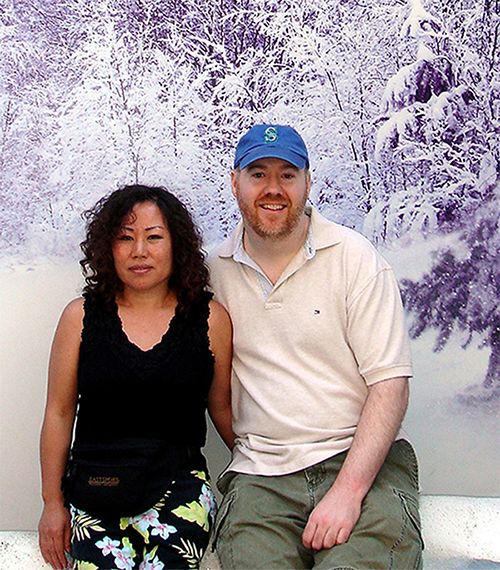
At the center is a shared discipline. William’s visual work is often described through light, timing, field study, and the patient act of seeing. Hui Cha’s presence is part of the record as well: in planning, studio care, print knowledge, field support, and the practical labor that helps images become lasting works.
The studio sources describe a practice built on preparation. Locations are chosen and studied. Timing, season, light, position, and equipment are considered before the work begins. On location, conditions still change. Weather, traffic, closures, distance, and chance all become part of the lived process.
That human process matters. It keeps the photographs and paintings connected to patience rather than spectacle, to memory rather than surface, and to a shared creative life rather than a single finished image.
William Stanek’s visual record includes photography, paintings, watercolors, mixed-media work, visual books, and long study of natural light. His work as William Stanek and William R. Stanek belongs to the nonfiction, travel, wellness, art, photography, and public biography side of the larger creative world.
Hui Cha Stanek, also known in the art world as HC Stanek, belongs in this section not as an aside, but as part of the creative record. Her role touches fieldwork, presentation, print guidance, studio rhythm, and the shared decisions that help a body of work endure.
The visual work connected to William Stanek: photographs, paintings, light, fieldwork, place, and the discipline of returning to see again.
Hui Cha’s place in the visual record: print knowledge, studio care, field planning, family fieldwork, and the shared work behind the images.
A quiet entry into light as atmosphere, structure, emotion, memory, and method.
Named collections, recurring visual themes, editions, and bodies of work shaped by color, texture, light, and feeling.
Fieldwork, weather, timing, natural light, seasonal change, and the patient act of seeing.
Paintings, watercolors, mixed-media work, layered color, texture, motion, and emotional atmosphere.
The studio context surrounding William and Hui Cha’s art, photography, publishing, artist support, and online presentation.
The broader gallery legacy and the artists whose work was supported through it over time.
A collector-aware guide to documentation, editions, authenticity, presentation, and care.
Canvas, giclée printing, pigment-based inks, finishes, surfaces, longevity, and the language of fine-art prints.
A plain-language entry point for image use, permissions, artwork, photography, and rights questions.
A calm starting point for collectors interested in photographs, paintings, editions, provenance, and the story behind the work.
A serious visual record depends on trust. This section will help readers and collectors understand the difference between photographs, paintings, mixed-media works, editions, prints, documentation, and licensing. It also gives space to the practical knowledge Hui Cha has shared about canvas, giclée printing, pigment-based inks, finishes, and long-term presentation.
The language should remain simple because the purpose is not to impress the reader. The purpose is to help the reader understand what they are seeing, how the work was made or presented, and why careful documentation matters.
The visual work rewards patience. It asks the viewer to notice light after weather, color after silence, movement held still, and memory carried through place. This section is a room for that kind of looking: calm, attentive, and grounded in the lives behind the work.