Light
Collections such as Echoes of Light, Architectures of Light, and Luminance Echo point toward radiance, atmosphere, reflection, and the way light becomes structure.
The creative legacy of William and Hui Cha Stanek — a life in books, art, light, and story.
Art & Photography
The art collections offer a way to encounter the visual work as bodies of feeling, place, texture, atmosphere, and return.
Single images can be powerful, but collections let the larger rhythm appear. A collection shows what an artist returns to: a kind of light, a field of color, a subject that will not leave, a memory that asks to be painted again, a landscape changed by weather, or a human feeling given visual form.
Within William and Hui Cha Stanek’s visual legacy, the collections help readers and collectors move beyond isolated works and see recurring concerns: light, water, flame, architecture, motion, stillness, love, distance, atmosphere, and the emotional afterimage of place.
TVPress presents these collections with restraint. The purpose is not to reduce the page to a display of objects. The purpose is to help the viewer understand how the bodies of work relate to the larger creative record.
The WilliamStanek.com source map identifies a substantial collection structure within the visual work, including pages for Elemental Passages, Echoes of Light, Architectures of Light, The Architecture of Flame, Sediment and Signal, Until the Light Changed, Love in Light, Now That We Found Each Other, What We Held in the Blue, We Glowed Briefly and Called It Forever, Their Story Told in Paintings, The Edges of Us, Windows of the Soulstorm, Windows of Motion and Stillness, Echoes Through the Ether, Faultlines of Light, and Luminance Echo.
Those names suggest the range of the visual language. Some titles turn toward landscape and the elements. Some move toward abstraction and atmosphere. Some carry the emotional vocabulary of love, memory, distance, fracture, motion, and radiance.
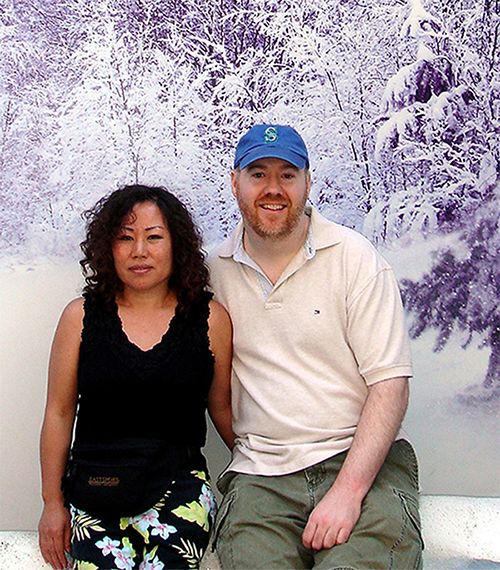
The art collections belong to the shared record of William and Hui Cha. William’s visual practice moves through photography, painting, watercolor, and mixed media. Hui Cha’s role appears in the studio record through field planning, print knowledge, presentation, and the care that helps images become lasting works.
For collectors and readers, that shared context matters. A collection is not only a group of images. It is a history of decisions: what to make, what to return to, how to print, how to title, how to preserve, and how to place the work within a larger life.
Collections such as Echoes of Light, Architectures of Light, and Luminance Echo point toward radiance, atmosphere, reflection, and the way light becomes structure.
Titles such as Elemental Passages, The Architecture of Flame, and Sediment and Signal suggest a visual language of earth, water, fire, texture, and transformation.
Several collections hold the feeling of something remembered after it has changed: a sky, a body of water, a room, a person, a distance, or a moment that still glows.
Collections such as Love in Light, Now That We Found Each Other, and We Glowed Briefly and Called It Forever bring intimacy into the visual record.
Windows of Motion and Stillness points to a recurring tension in the work: movement held in a quiet frame, or stillness carrying the trace of motion.
Titles such as Faultlines of Light and The Edges of Us suggest beauty found near pressure, distance, interruption, and repair.
Collection pages should help the viewer understand both the feeling of the work and the record around it. Titles, series names, edition information, print details, and documentation all help a work keep its place over time.
That is why art collections naturally belong beside provenance, print education, and licensing. A viewer may begin with color or atmosphere, but a collector also needs to understand editions, authenticity, materials, presentation, and care.
A calm entry into light as atmosphere, memory, structure, and method.
Paintings, watercolors, mixed-media works, texture, color, and emotional atmosphere.
A collector-aware guide to editions, authenticity, documentation, presentation, and care.
Canvas, giclée printing, pigment-based inks, finishes, surfaces, longevity, and presentation.
The visual work connected to William: photographs, paintings, fieldwork, light, place, and memory.
Hui Cha’s place in the visual record, print knowledge, studio care, and shared fieldwork.
A collection gives memory a shape. It lets one work speak to another, one light answer another, one feeling return in a different color or surface. In that sense, the art collections are not only groups of images. They are part of the larger story of a life in books, art, light, and story.