Paintings
Works shaped through color, surface, light, texture, and the slower movement of memory through form.
The creative legacy of William and Hui Cha Stanek — a life in books, art, light, and story.
Art & Photography
The paintings and mixed-media works extend the visual record beyond the camera into surface, layering, memory, and feeling.
Photography often begins with witness: a place, a sky, a passing light, a weathered surface, a moment that can be held only if someone is ready to see it. Painting and mixed media begin differently. They allow the image to move inward, toward color, texture, memory, and the emotional trace of what was seen.
In the Stanek visual record, these forms belong together. The photographs preserve encounters with light and place. The paintings and mixed-media works deepen that language through surface, gesture, abstraction, and atmosphere.
The result is not a break between camera and canvas. It is a conversation between ways of seeing.
Color carries feeling before it explains itself. A field of blue can suggest distance, water, evening, or longing. A warm passage of light can hold presence or return. A darker surface can feel like weather, pressure, shadow, or the quiet before something changes.
The paintings and mixed-media works should be approached through that emotional register. They are not only images of subjects. They are studies in how memory behaves after the subject has shifted, faded, or become something else in the mind.
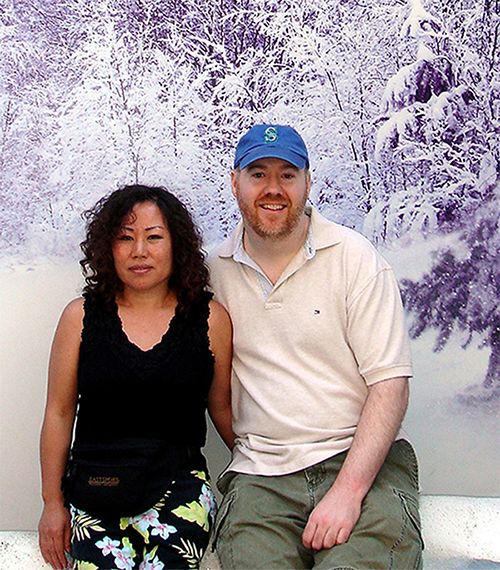
The finished surface carries more than color. It carries studio decisions: material, finish, scale, edition, printing method, presentation, and care. Hui Cha’s role in the source record is especially important here because she appears in relation to print education, studio operations, and the practical knowledge that helps artwork become a lasting object.
That care belongs to the visual legacy. A painting, watercolor, or mixed-media work is not only made. It is prepared, documented, printed or presented, protected, and placed within a larger record of authorship and provenance.
Works shaped through color, surface, light, texture, and the slower movement of memory through form.
A lighter, fluid visual language connected to illustration, story, tenderness, color, and movement.
Hybrid works where photographic attention, painterly feeling, and layered surface can meet.
A visual approach that lets lens, canvas, color, texture, and atmosphere speak in the same emotional register.
Artwork tied to stories, illustrated worlds, young readers, imagined places, and the larger publishing life.
Pieces that belong to named bodies of work, where individual images gather into a larger visual rhythm.
The named collections help make sense of the paintings and mixed-media work. Titles around light, flame, water, motion, stillness, love, fracture, and radiance suggest a body of art organized less by subject alone than by atmosphere and emotional territory.
This is one reason the collection record matters. A single work can be encountered on its own, but a collection lets the viewer see what returns: the same pressure of light, the same edge of weather, the same question of distance, the same wish to hold a feeling before it disappears.
Paintings and mixed-media works also ask practical questions. How is the work presented? Is it an original, a limited edition, or a print made from an original work? What materials are used? What documentation follows it? How should it be displayed, protected, or collected?
TVPress treats those questions as part of the visual record, not as an afterthought. The pages on provenance, print education, and licensing give collectors a quieter way to understand authenticity, editions, presentation, and long-term care.
Named bodies of work, recurring visual themes, and collections shaped by light, color, memory, and feeling.
A deeper look at light as atmosphere, memory, structure, and visual method.
Fieldwork, weather, timing, natural light, seasonal change, and the patient act of seeing.
Canvas, giclee printing, pigment-based inks, finishes, surfaces, longevity, and presentation.
Documentation, editions, authenticity, presentation, and care for collectors.
A calm guide to permissions, image use, art licensing, and respectful handling of the work.
The paintings and mixed-media works ask what a surface can carry: not only color, but weather; not only form, but memory; not only a scene, but the feeling that remains after the scene has passed. They belong to a life in books, art, light, and story because they continue the same work in another language.