William Stanek
The nonfiction, professional, visual, and life-practice side of the work: technology, leadership, travel, wellness, photography, art, publishing impact, and public biography.
The creative legacy of William and Hui Cha Stanek — a life in books, art, light, and story.
William & Hui Cha
At the center of TVPress are William Robert Stanek and Hui Cha Stanek: two lives joined through books, art, photography, publishing, family, fieldwork, and service.
The public record is wide. It moves through practical books, fiction, children’s stories, travel and wellness writing, photography, visual art, publishing history, advocacy, and the long discipline of making work that can be useful to others.
But the heart of the story is not a list. It is a partnership. William and Hui Cha built the work inside a shared life of planning, travel, publishing labor, family care, fieldwork, image-making, print knowledge, and persistence.
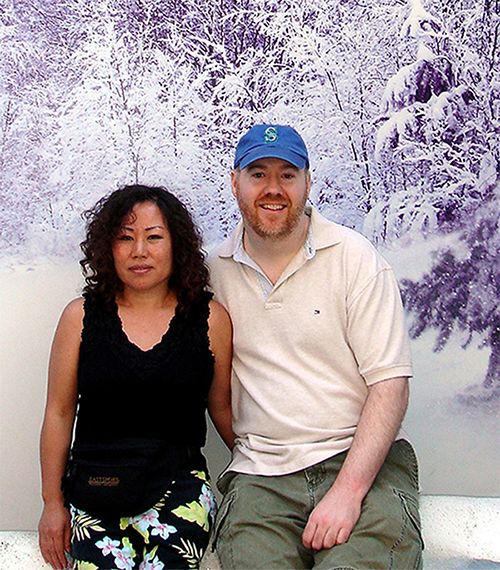
TVPress begins here because every other part of the site leads back to the people. The books, photographs, paintings, publishing efforts, fiction worlds, family story, and service work become easier to understand when seen as parts of one sustained creative life.
William Robert Stanek’s work has appeared through more than one public name. As William Stanek and William R. Stanek, the work includes technology, leadership, nonfiction, travel, wellness, photography, art, and public biography. As Robert Stanek, R. Stanek, and W. R. Stanek, the fiction opens into children’s books, classroom reading, fantasy, science fiction, thrillers, historical fiction, and literary works.
Hui Cha Stanek, also known in the art world as HC Stanek, belongs at the center of that story. She is part of the creative partnership, the publishing work, the studio life, the fieldwork, the family record, and the print knowledge that helped carry ideas into finished form.
Some creative lives look solitary from a distance. This one should not. Much of the public record carries William’s name, but the work was often made possible by a partnership: quiet, practical, enduring, and deeply creative.
In the studio and in the field, the shared labor mattered. The work often began before a book reached a reader or before a photograph was made: in research, planning, travel, equipment, timing, editing, presentation, correspondence, printing, and the ordinary decisions that help a creative life continue year after year.
The nonfiction, professional, visual, and life-practice side of the work: technology, leadership, travel, wellness, photography, art, publishing impact, and public biography.
The creative partner, publisher, artist, field companion, print educator, family anchor, and steady presence woven through decades of shared work.
The shared labor behind the public record: fieldwork, publishing, art, family, print knowledge, planning, and the discipline of continuity.
A wide creative library: practical guides, children’s stories, imagined worlds, thrillers, historical novels, travel works, educational titles, and visual books.
Photographs, paintings, fieldwork, editions, print knowledge, and the long study of light, weather, silence, place, and memory.
The larger story includes books, libraries, veterans, independent creators, and support for hundreds of artists over the long span of the studio and gallery work.
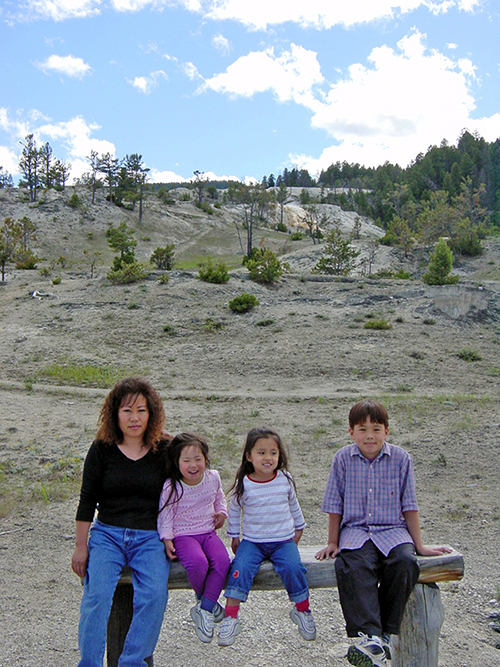
The creative record is also a family record. The books, travels, images, studio work, and publishing years did not unfold apart from ordinary life. They were made through it: through children, deadlines, planning, travel, setbacks, persistence, and the long practice of showing up again.
That human context matters. It keeps the story from becoming only a bibliography, a gallery list, or a sequence of public facts. TVPress is meant to preserve the finished work and the life around it: the shared labor, the places traveled, the books carried into the world, and the family presence behind the public record.
The creative legacy of William and Hui Cha Stanek is not only what was made. It is also how the work was sustained: with patience, discipline, partnership, resilience, and care. This section is the human center of the archive, the place where the names, books, photographs, paintings, fieldwork, and service work return to the shared life behind them.