Books and publishing
Behind a long publishing life are drafts, schedules, decisions, production work, distribution, communication, and the daily labor that helps books reach readers.
The creative legacy of William and Hui Cha Stanek — a life in books, art, light, and story.
Creative Partnership
William and Hui Cha Stanek’s creative life is not only a story of individual achievement. It is a story of partnership: practical, enduring, and deeply woven into the work.
Public records often simplify creative lives. They place one name on a cover, one name beside an image, one name in a bibliography or exhibition note. But the life behind the work is usually more complicated and more human.
For William and Hui Cha Stanek, the creative record includes shared planning, publishing work, studio care, family life, fieldwork, print education, and the patient coordination that lets a body of work continue across decades. Hui Cha should not be read as an appendix to William’s story. She is one of the steady forces inside it.
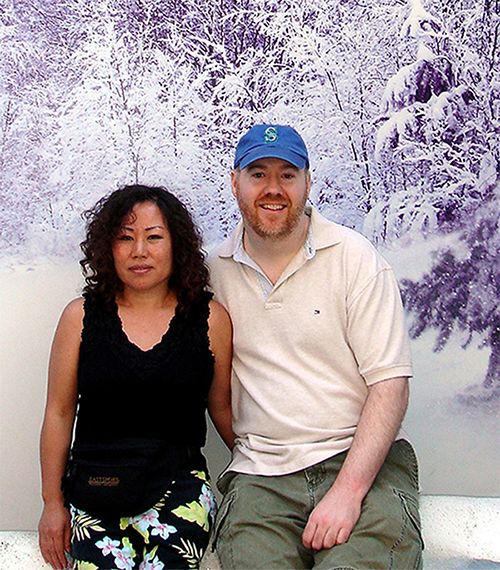
The visual work often begins before the camera is raised. The record describes a process of choosing locations, studying the area, timing the visit, preparing equipment, and watching for the right conditions. In that process, Hui Cha’s role is practical and essential: helping shape the circumstances in which William can concentrate on the image.
That rhythm matters because the work depends on attention. Light changes by season, hour, weather, position, and place. A photograph may feel sudden to the viewer, but the conditions behind it are often the result of patience and planning.
The fieldwork is one of the clearest places to see the partnership. Travel, timing, weather, traffic, closures, difficult light, changing terrain, and the uncertainty of being on location all become part of the work. The goal is not simply to arrive somewhere beautiful. The goal is to understand the place well enough to be ready when the moment appears.
Hui Cha’s presence in that work is both visible and quiet. She helps with planning and logistics. She assists when needed. She understands when to step back and let creative concentration happen. That kind of partnership rarely announces itself loudly, but it is often what makes sustained work possible.
The studio record also carries Hui Cha’s presence. Her explanations of printmaking and presentation give readers and collectors a practical sense of how works move from image to finished object: canvas, pigment-based printing, finishing choices, surface texture, durability, and the care involved in presenting art meant to be lived with over time.
That knowledge belongs in the creative record. Print education is not separate from the art. It is part of how the work reaches homes, collectors, galleries, and families with integrity.
Behind a long publishing life are drafts, schedules, decisions, production work, distribution, communication, and the daily labor that helps books reach readers.
The photographs grow from travel, planning, timing, patience, and the ability to watch a place until light and weather begin to speak.
The visual work continues through printing, editions, materials, presentation, and the care required to make images last.
The work was made alongside family, not apart from it. That human context belongs to the record of the creative life.
The larger story includes a concern for readers, libraries, veterans, independent creators, and hundreds of artists supported over time through studio and gallery work.
A creative life that lasts for decades depends on more than inspiration. It depends on structure, care, patience, and someone willing to keep the work moving.
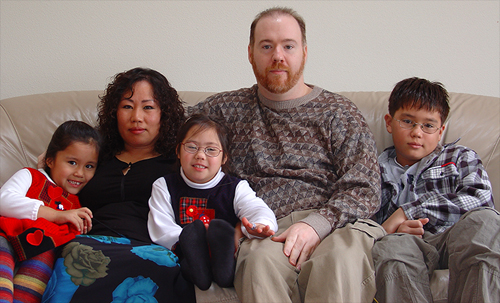
Family photographs should be used with restraint, but here they belong. They remind the reader that this creative legacy was built inside a lived life: with children, travel, seasons, family days, hard work, and the ordinary demands that surround any lasting effort.
That is part of the dignity of the story. The work did not emerge from a detached studio myth. It came through years of practice, planning, partnership, and family life.
The partnership also shaped the way the work reached others. Books, photographs, paintings, gallery programs, educational efforts, and advocacy all belong to a larger ethic of usefulness. The point was not only to make work, but to help it serve readers, families, collectors, schools, libraries, artists, and independent creators.
That ethic gives the partnership its quiet force. It is not simply romantic or biographical. It is practical. It is visible in how work was planned, finished, shared, protected, printed, explained, and sustained.
The partnership of William and Hui Cha Stanek gives TVPress its human center. It helps readers understand that the legacy is not only a matter of books published, photographs made, paintings completed, or pages archived. It is also a record of shared effort: the kind that often stays quiet, but without which the work would not have endured in the same way.