Artist and title
The work should be identified by the artist’s name and, when available, a stable title connected to the collection or edition record.
The creative legacy of William and Hui Cha Stanek — a life in books, art, light, and story.
Art & Photography
Provenance helps a collector understand where a work comes from, how it is identified, and how it belongs within a larger body of art.
A work of art is more than an image. It has an origin, an artist, a title, a medium, a scale, a presentation history, and a place within a larger creative record. Provenance is the careful documentation of that life.
For the photographs, paintings, watercolors, mixed-media works, and printed editions connected to William and Hui Cha Stanek, provenance gives collectors a calmer way to understand what they are seeing. It helps separate a finished work from a loose image, a documented edition from an uncertain reproduction, and a meaningful collection from a scattered impression.
TVPress treats provenance as an act of respect: respect for the artist, respect for the collector, and respect for the work itself.
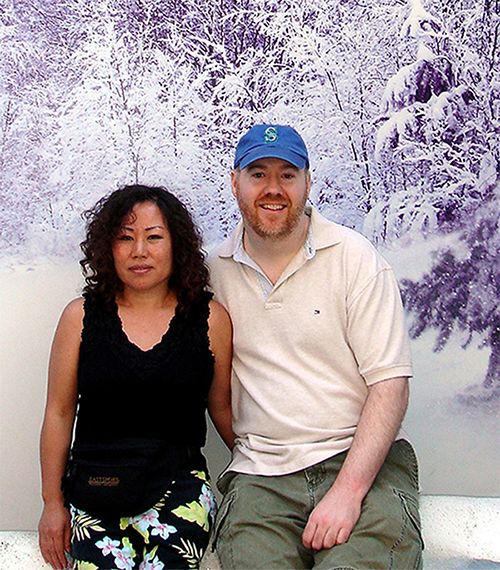
The Stanek visual record moves through fieldwork, photography, paintings, watercolors, mixed media, studio presentation, and print education. A collector who understands that context can see more than subject matter. The work becomes part of a larger story of light, weather, memory, craft, and care.
Hui Cha’s role is especially important in this part of the record. The studio materials connect her to print knowledge, presentation, and the practical care that helps a work move from image to finished object.
The work should be identified by the artist’s name and, when available, a stable title connected to the collection or edition record.
Photograph, painting, watercolor, mixed media, canvas print, metal print, or another clearly described form.
For limited editions, the edition number, edition size, and related documentation help preserve clarity over time.
Size, surface, finish, framing, and presentation affect how the work is experienced and cared for.
Documentation from a studio, gallery, platform, certificate, invoice, or other source can help support the work’s history.
How a work is displayed, protected, cleaned, stored, and moved can shape its life for years to come.
Collectors often encounter art through several forms. An original painting or watercolor carries the direct surface of the artist’s hand. A limited edition carries a controlled relationship to an original image or photographic work. A print may be open, limited, archival, decorative, or collector-focused depending on how it is produced and documented.
The important thing is clarity. A page, listing, certificate, or studio note should help the collector understand what kind of object is being offered. A responsible record does not blur those distinctions. It makes them easier to understand.
In the Stanek visual legacy, this distinction matters because the work crosses photography, paintings, watercolors, book-connected art, and mixed-media presentation. Provenance helps those forms remain legible.
Studio source materials note that watermarks may appear online to protect the intellectual property of artists and photographers, while the finished product does not carry that online watermark. This is an ordinary distinction in art presentation: the public image protects the work; the finished work is presented for the collector.
That protection matters because images circulate easily. A watermark is not part of the artwork’s emotional meaning. It is part of the care surrounding the work, the artist, and the people who rely on creative income.
The most lasting collections are not built from pressure. They are built from attention. A collector begins with a work that keeps calling them back: a sky, a surface, a color, a place, a memory, a quiet feeling that becomes part of daily life.
Value can be discussed. Editions can be documented. Materials can be compared. But the first reason to live with art is still the simplest one: because it changes the room, and over time, it changes the way the room is remembered.
Canvas, giclee printing, pigment-based inks, finishes, surfaces, longevity, scale, and presentation.
A plain-language guide to permissions, image use, reproduction, artwork, photography, and rights questions.
Named bodies of work, recurring visual themes, and collections shaped by light, color, memory, and atmosphere.
The studio context surrounding art, photography, editions, print work, and artist support.
The broader gallery story and the artists whose work was supported through it over time.
A broader starting point for collectors interested in photographs, paintings, editions, provenance, and care.
Provenance is not only paperwork. It is a way of honoring the work after it leaves the studio: keeping its name, form, source, edition, and story intact so it can be understood by the next person who encounters it.