Artists
Hundreds of artists over time, including independent and underrepresented creators whose work needed visibility, buyers, and support.
The creative legacy of William and Hui Cha Stanek — a life in books, art, light, and story.
Art & Photography
The World Galleries story belongs to the visual legacy of William and Hui Cha Stanek because it was never only about walls, prints, or sales. It was also about artists, families, and the dignity of creative work.
World Galleries should be understood as part of the long service story behind the Stanek creative life. The galleries and related studio work supported hundreds of artists over time, including artists whose work might otherwise have remained unseen by the buyers and collectors who could help sustain them.
For some artists, a sale is not an abstraction. It can mean groceries, rent, supplies, medicine, childcare, or time to keep working. TVPress should preserve that reality without turning it into spectacle. The gallery record matters because it shows a practical belief: art is made by people, and people need structures that help creative work survive.
This page gathers that story in a calm way, as part of the larger visual record: artists, studios, printmaking, exhibitions, online presentation, fair treatment, and the shared effort to keep art in the world.
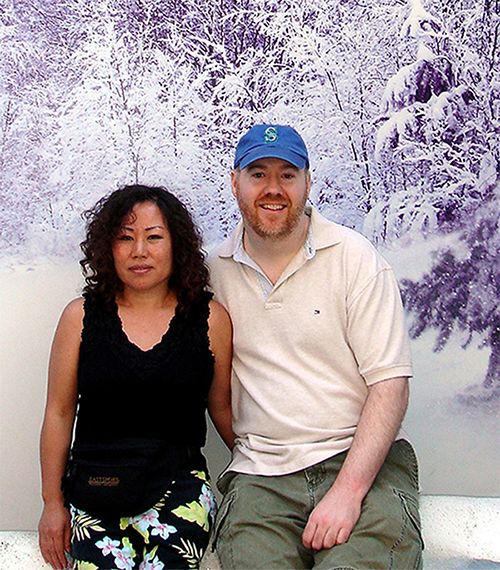
William and Hui Cha Stanek’s art and photography are central to the visual record, but the gallery work also extends beyond their own images. It includes the effort to present and support other artists, photographers, and creative workers across many years.
Hui Cha’s role belongs here with particular clarity. The studio materials place her within the practical life of the work: operations, print education, presentation, and the steady labor that helps art move from image to finished object. The gallery story depends on that kind of care.
The broader gallery and studio work supported hundreds of artists across its full span. That distinction matters. This was not only a momentary roster or a single exhibition list. It was a long-running effort to make room for many working artists over time.
The source materials also describe an artist-centered sharing model in which 80 percent of profits on sales of artists’ work went to the artists themselves. In a field where the economics of visibility can be difficult, that detail belongs near the center of the story. It speaks to an ethic of care, fairness, and practical support.
TVPress should treat this as part of the same creative legacy as the books and photographs. Making work matters. Helping others keep making work matters too.
Hundreds of artists over time, including independent and underrepresented creators whose work needed visibility, buyers, and support.
The human consequences of a sale: food, rent, materials, care, and the chance to continue making work.
An artist-centered model in which the source materials describe 80 percent of profits on artists’ work going to the artists.
Canvas, fine-art printing, finishing choices, scale, surface, and the care that turns an image into a lasting object.
Physical spaces, related studios, online presentation, and the shifting forms that kept art visible through changing times.
A record of art not only as personal expression, but as a shared cultural and economic lifeline for working creators.
The COVID-19 pandemic became a turning point in the gallery story. Studio materials describe the closing of physical gallery locations and the move online beginning in spring 2021. For artists and photographers, this was not simply an operational change. It was a disruption to livelihoods, visibility, and the public spaces where art could be encountered.
The online chapter should be understood as an act of continuation. It carried forward the effort to present artwork, support artists, and preserve access to visual work when the old structures could no longer hold in the same way.
It would be easy to mistake a gallery page for a commercial page. TVPress should do something different. It should show why this part of the story matters culturally and personally: because art needs places to be seen, artists need people who believe in their work, and creative communities often depend on quiet acts of practical support.
That is why World Galleries belongs in the Art & Photography section. It helps complete the picture. The visual legacy is not only the image on the wall. It is the fieldwork before the image, the print process after it, the studio care around it, and the artists whose lives were touched by the work of presenting art to the world.
The studio context surrounding William and Hui Cha’s art, photography, print work, and artist support.
Documentation, editions, authenticity, presentation, and care for collectors.
Canvas, giclée printing, pigment-based inks, finishes, surfaces, longevity, and presentation.
The service side of the gallery story and the broader effort to make room for creative workers.
Publishing, operations, print knowledge, presentation, and the quiet structure behind creative work.
A plain-language entry point for permissions, image use, artwork, photography, and rights questions.
The gallery legacy is a reminder that art is not sustained by talent alone. It needs time, materials, encouragement, presentation, buyers, documentation, and people willing to make room. World Galleries belongs to that larger story of care.