The Gallery Story
The visual-arts record of World Galleries, studio presentation, artists, photographs, paintings, and online continuation.
The creative legacy of William and Hui Cha Stanek — a life in books, art, light, and story.
Service & Advocacy
The gallery story is also a service story: artists, photographers, families, and the difficult economics of creative life.
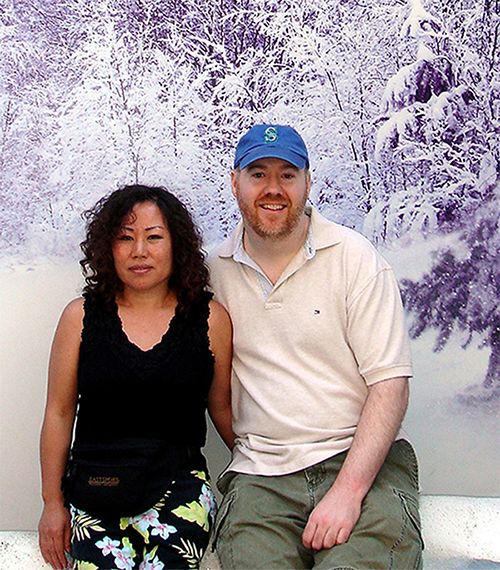
It is easy to speak about art in terms of beauty, atmosphere, memory, or collection value. It is also necessary to remember that art is made by working people. Behind every photograph, painting, print, or edition is time, material cost, practice, risk, and the hope that the work will find someone who can live with it.
Across the span of the World Galleries and studio work, William and Hui Cha Stanek helped support hundreds of artists over time. TVPress presents that record as part of the larger service story because artist support is not an ornament to the work. It is one of the ways the work made room for others.
The human meaning is practical. A sale could help pay rent, buy supplies, support a family, or give an artist enough room to keep going.
World Galleries, 360 Studios, and related studio efforts belong to the visual-art side of the Stanek record, but they also belong here. They were places of presentation, selection, printing, collecting, licensing, and artist visibility. They helped artists and photographers place work before collectors and audiences.
360 Studios was the parent company of 1North Studios, Studio 24, and Robert Stanek’s creative studios. A family of galleries and studios that represented professional artists and photographers, with the broader project record clarifying support for hundreds of artists across the full span of the work.
The page should be understood in that broader sense: not as a single roster frozen in time, but as a long effort to keep artists visible, paid, and connected to people who cared about their work.
One of the most important details is the artist-centered sharing model. Studio materials describe 80 percent of profits on sales of artists’ work going to the artists themselves.
That figure matters because artists are often asked to carry the risk of creative work while others benefit from the presentation, sale, or circulation of that work. A fairer structure acknowledges that the artist is not incidental to the transaction. The artist is the reason the work exists.
TVPress should let this detail remain simple and clear. It speaks to a practical ethic: if art is made by people, then the systems around art should help people live and continue making.
Also important was the effect of the COVID-19 pandemic on the arts and the closure of physical gallery locations beginning in Spring 2021, followed by a move online. That change belongs to a wider story of artists, photographers, galleries, and families trying to continue after the public spaces of art were disrupted.
The online continuation was not only a business adjustment. It was an effort to keep work visible when the old rooms were no longer available. For artists whose income depended on presentation and sales, visibility could matter deeply.
In that sense, the gallery story is not only about places. It is about continuity: keeping artists, images, prints, and collectors connected when circumstances changed.
Hui Cha Stanek’s presence belongs in this record. The studio sources connect her with print knowledge, canvas presentation, giclée printing, pigment-based inks, finishes, and the careful practical work behind art that is meant to be lived with and preserved.
That knowledge is part of artist support. Presentation affects trust. Printing affects longevity. Clear information about editions, finishes, care, and licensing helps collectors understand what they are receiving and helps artists protect the value of their work.
The visual legacy is therefore not only the image. It is also the preparation, documentation, print care, and stewardship that allow the image to last.
The broader record should speak of the hundreds of artists supported over the whole span of the gallery and studio work. That matters because it places the emphasis where it belongs: not on a single moment, but on years of relationships, exhibitions, representation, presentation, mentoring, print work, and practical support.
For some artists, support may have meant a first chance to be seen. For others, it may have meant a sale at the right moment, a gallery wall, a print offering, a collector relationship, or the reassurance that their work had a place beyond the studio where it was made.
That is the quiet power of the gallery story. It helped creative lives continue.
The visual-arts record of World Galleries, studio presentation, artists, photographs, paintings, and online continuation.
The studio record connected to William and Hui Cha, visual presentation, print work, artist support, and the online gallery chapter.
Canvas, giclée printing, pigment-based inks, finishes, care, and the practical knowledge behind lasting art.
The related advocacy record for independent artists, writers, and people building creative lives outside easier systems.
The book and access side of the service record: children, classrooms, libraries, and shared reading.
Return to the full record of books, libraries, artists, veterans, disability advocacy, and independent creators.
World Galleries and the related studio work belong to the service record because they recognized a simple truth: art is not only something to admire. It is something people make, protect, carry, price, print, frame, sell, ship, and depend on. To support artists is to honor the labor behind the beauty.