Photography
Fieldwork, timing, natural light, weather, coastlines, waterfalls, wild places, travel, and the patience of returning to see again.
The creative legacy of William and Hui Cha Stanek — a life in books, art, light, and story.
Art & Photography
360 Studios belongs to the story of William and Hui Cha Stanek as a place of art, photography, printing, presentation, and practical care for creative work.
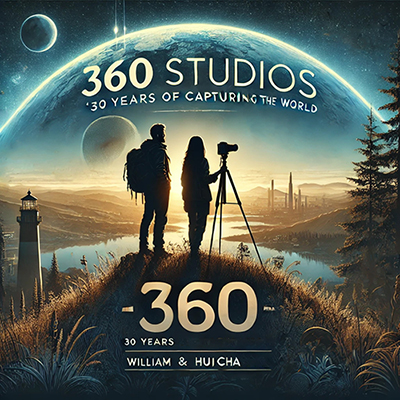
The record around 360 Studios begins in 1992 and carries forward through decades of art, photography, publishing, galleries, print work, and support for other artists. It belongs to the visual side of the Stanek legacy, but it also touches the larger ethic of the work: make, preserve, present, and make room for others.
Within TVPress, 360 Studios should be understood less as a storefront than as part of a long creative infrastructure. It connects William Stanek’s photographs and paintings, Hui Cha Stanek’s studio and print knowledge, the family of related studios, the move from physical gallery spaces to online presentation, and the larger effort to keep artists visible through changing circumstances.
The tone here is intentionally quiet. The story is not only about finished images on a wall. It is about the labor behind them: fieldwork, printing, curation, documentation, artist support, and the care required to keep visual work alive over time.
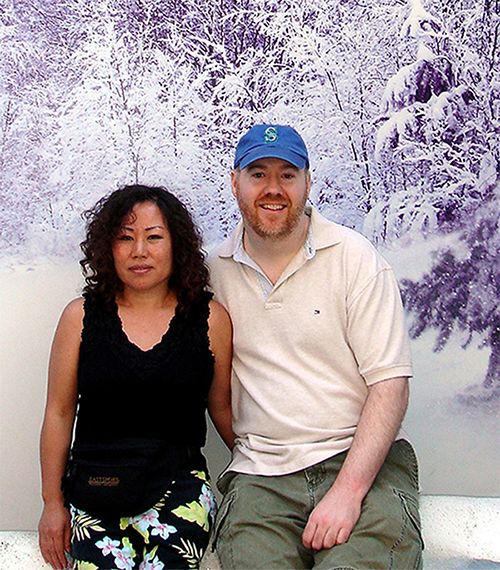
William Robert Stanek appears in the studio record as artist, photographer, author, veteran, and lead creative. His visual work moves through landscape, travel, light, water, sky, painting, and mixed-media forms.
Hui Cha Stanek belongs in this record as well. Her role reaches into studio operations, print education, field planning, presentation, and the practical decisions that help artwork become a finished object. The public record often centers William’s name, but the studio story is also a partnership story.
360 Studios is connected to a wider studio family that has included 1North Studios, Studio 24, and Robert Stanek Studios. Together, these names help explain the range of the visual record: landscape photography, travel and architectural imagery, paintings, mixed-media works, and art connected to the fiction and children’s books.
That studio family also helps explain why the Stanek visual legacy should not be treated as a single narrow category. Some works belong to travel and place. Some to light and weather. Some to children’s books and illustration. Some to mixed-media series and collection contexts. Some to the shared studio labor of printing, preparing, protecting, and presenting art.
Fieldwork, timing, natural light, weather, coastlines, waterfalls, wild places, travel, and the patience of returning to see again.
Color, surface, memory, motion, atmosphere, and works that carry the visual language beyond the moment of the photograph.
Canvas, giclée printing, pigment-based inks, finishes, surfaces, scale, and the practical choices that shape a finished work.
The broader gallery and studio work supported hundreds of artists over time, including artists for whom a single sale could matter deeply.
Titles, editions, provenance, image protection, licensing, and the care needed to preserve trust around creative work.
The move from physical gallery spaces to online presentation after the COVID-19 pandemic became part of the studio’s later history.
One of the most important parts of the 360 Studios record is its relationship to other artists. The broader gallery and studio work supported hundreds of artists across the years, not simply as names in a list, but as people whose creative labor needed buyers, visibility, fair treatment, and practical help.
The source materials describe an unusual profit-sharing ethic in which 80 percent of profits on sales of artists’ work went to the artists themselves. TVPress should present that plainly. The point is not to make a dramatic claim. The point is to show the values behind the work: artists should be able to live, families should be able to endure, and creative labor should be treated with dignity.
The COVID-19 pandemic changed the physical gallery landscape. Studio materials describe the closing of physical gallery locations and the move online beginning in spring 2021. For TVPress, this belongs to the larger story of adaptation: a creative life and studio practice continuing under pressure, changing form without giving up the work.
That later chapter should be written with care. It is not only a business event. It is part of the human record of artists, photographers, families, and studios trying to keep beauty, craft, and livelihood alive during a difficult period.
The broader gallery legacy and the artists whose work was supported through it over time.
Canvas, giclée printing, pigment-based inks, finishes, surfaces, longevity, and presentation.
Documentation, editions, authenticity, presentation, and care for collectors.
The visual work connected to William Stanek: photographs, paintings, light, fieldwork, and place.
Hui Cha’s place in the visual record, print knowledge, studio care, and shared fieldwork.
A plain-language entry point for permissions, image use, artwork, photography, and rights questions.
At its best, a studio is not only a place where work is made. It is a place where work is protected, presented, remembered, and passed on. 360 Studios belongs to that quieter definition: a structure of care around art, photography, artists, prints, and the shared labor behind them.