Photography
Fieldwork, timing, weather, natural light, seasonal change, and the patient act of seeing.
The creative legacy of William and Hui Cha Stanek — a life in books, art, light, and story.
Art & Photography
The art and photography connected to William Stanek begins with attention: to light, weather, place, timing, fieldwork, and memory.
William Stanek’s visual work belongs to the same disciplined creative life as his nonfiction, travel writing, publishing, and public biography. It is the William Stanek and William R. Stanek side of the work: practical, observant, patient, and rooted in the real world.
The photographs and paintings are not simply records of where he has been. They are studies of what changes when a place is watched carefully: the sky before and after weather, the fall of light on water, the difference between morning and evening, the way a familiar location can become new when seen in another season.
This is why the visual work belongs beside the travel and wellness material as well as the art pages. It grows from movement through the world, but also from stillness — the willingness to wait until the scene reveals itself.
Across the source record, light is not treated as decoration. It is part of the method. The visual practice is described through natural light, shadow, changing seasons, time of day, weather, vantage point, and the studied relationship between camera, place, and atmosphere.
That attention gives the work its character. A photograph may begin as a field encounter, but it carries a larger structure: preparation, return, patience, timing, and the ability to recognize when a moment has become visually alive.
In the paintings and mixed-media work, the same concern appears through color, texture, movement, and emotional atmosphere. The forms may change, but the underlying question remains steady: how does light hold memory?
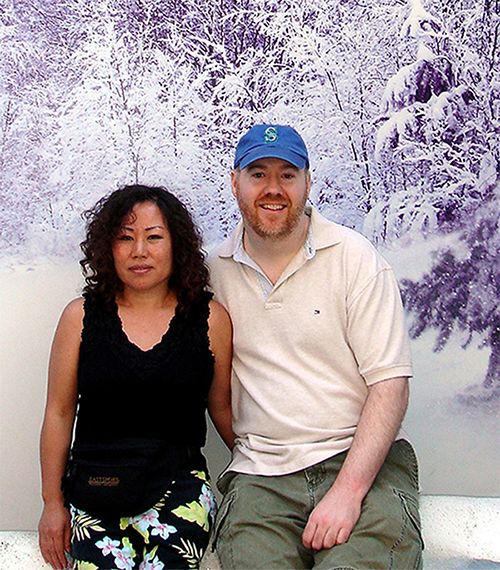
Although this page focuses on William’s visual work, the practice is not solitary in the larger record. Hui Cha’s role appears in planning, timing, equipment, location study, and on-site support. The fieldwork belongs to a shared life, even when William is the one behind the camera or brush.
That distinction matters. It keeps the visual record human. The finished image may be quiet, but behind it are travel plans, maps, weather, waiting, family life, studio work, printing decisions, and the practical care that allows creative work to continue.
The visual record includes photography and artwork connected to landscapes, seascapes, waterfalls, wild places, travel, architecture, and imagined worlds. It also includes painting, watercolor, and mixed-media work that extends the practice beyond the camera into color, surface, and gesture.
Some of the work begins with the direct encounter of field photography. Some belongs to the more inward language of painting and mixed media. Some is tied to books and illustration. Together, these forms show a creative life in which words and images are not separate territories, but related ways of paying attention.
Fieldwork, timing, weather, natural light, seasonal change, and the patient act of seeing.
Paintings, watercolors, mixed-media work, color, texture, and emotional atmosphere.
A deeper look at light as atmosphere, structure, emotion, and visual language.
Named collections, recurring themes, and the larger bodies of visual work.
The broader William Stanek profile page for the visual side of his work.
Documentation, editions, authenticity, presentation, and care for collectors.
One of the quiet lessons of the visual work is that seeing deepens over time. A place changes. A season changes. The light changes. The artist changes too. William Stanek’s art and photography are best approached with that patience in mind: not as a single view, but as a sustained act of returning to the world and looking again.