The creative legacy of William and Hui Cha Stanek — a life in books, art, light, and story.
William Stanek
Light, place, and the patience to see
William Stanek’s visual work belongs to the same life of discipline as the books: a long practice of looking closely, returning to places, waiting for light, and shaping what was witnessed into photographs, paintings, and lasting visual records.
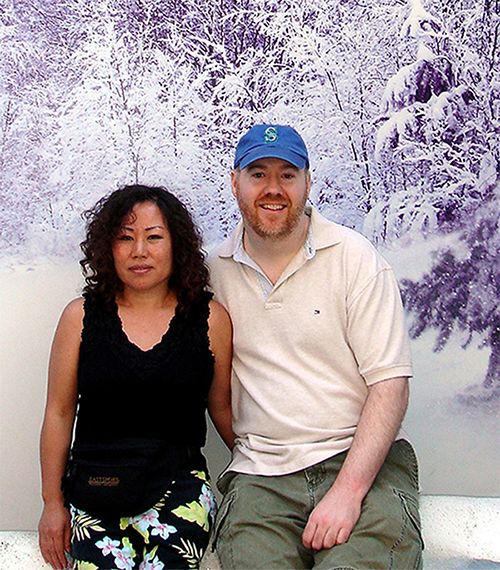
William and Hui Cha Stanek, whose shared creative life runs through decades of books, art, photography, publishing, and fieldwork.
A visual life within a larger creative life
The William Stanek side of the record includes photography, art, travel, fieldwork, publishing, nonfiction, and public biography. The visual work is not a separate afterthought. It is one of the clearest expressions of the larger pattern: preparation, patience, close attention, and a respect for what light can reveal.
Source materials describe William as a photographer and visual artist whose work includes sunscapes, waterfalls, wild places, seascapes, mountainscapes, paintings, watercolors, and mixed-media work. The strongest way to introduce that range is not through spectacle, but through care: the work begins with looking, timing, returning, and allowing a place to become visible.
The discipline of fieldwork
Much of the visual work begins before the camera is raised. Locations are chosen, studied, and revisited. Time of day matters. Season matters. Weather matters. So do access, movement, positioning, equipment, and the patience to remain attentive when conditions change.
That field discipline is one reason Hui Cha belongs in the visual record. In studio source material, she describes the work behind the image: choosing and studying locations, timing the arrival, preparing the right equipment, and helping create the conditions that allow William to focus once they are on site. The finished photograph may appear still, but the work behind it is active, practical, and shared.
Photography
The photographs are studies of light, weather, silence, movement, place, and memory. They often return to the natural world: water, coastlines, mountains, changing skies, wild spaces, and the transitional hours when a scene is neither fully beginning nor fully ending.
William’s photography should be introduced with language that honors patience. The work is shaped by attention to natural light and by the ability to see how a familiar place changes with season, weather, distance, and time.
Paintings and mixed media
The visual record also includes paintings, watercolors, and mixed-media work. In the larger TVPress archive, these works belong beside the photographs as part of a single visual language: color, atmosphere, texture, memory, motion, and light.
The pages devoted to art and photography should feel closer to a museum introduction than a commercial page. They should help the reader sense a body of work shaped by practice, not a collection arranged merely for display.
Light as structure
On WilliamStanek.com, the art and photography material is organized around light, collections, provenance, master-class essays, and the visual philosophy behind the work. TVPress should echo that clarity in a warmer archival voice.
Light is not decoration here. It is atmosphere, memory, timing, and structure. Sunrise and sunset, mist and shadow, water and reflection, clear weather and broken weather — these are not only visual conditions. They become part of how the work carries feeling.
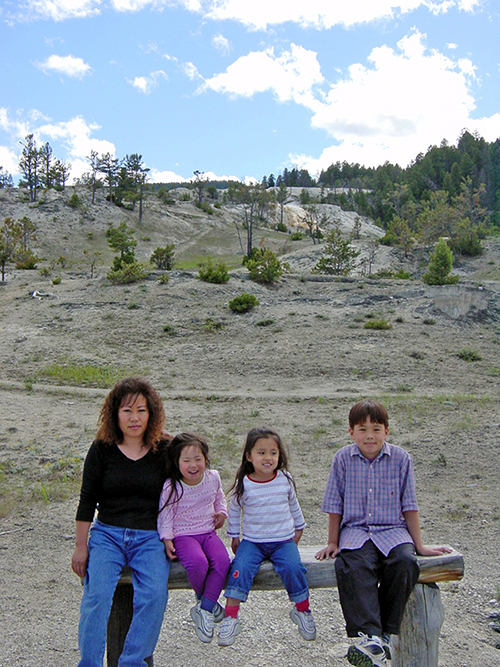
Hui Cha Stanek with the children at Yellowstone, circa 2002.
Travel, family, and the field
The visual work also belongs to a family and field life. Travel was not only a subject; it was part of how the work was made. The record includes national parks, road trips, wild places, and the practical reality of moving through the world with camera, family, plans, weather, and time.
Those details matter because they keep the art human. The images may be collected, printed, framed, and studied, but they began in lived moments: on the road, in changing light, with the patience to wait and the discipline to return.
Studios, galleries, and artists
The visual legacy is also connected to studios, galleries, print education, and support for other artists. Source materials describe a wider studio history involving 360 Studios, 1North Studios, Studio 24, and Robert Stanek Studios, with gallery and studio work that supported artists over time.
For TVPress, the emphasis should remain dignified and clear: William and Hui Cha’s art and photography work did not exist only as personal expression. It also became part of a broader creative environment that helped make room for artists, collectors, readers, and families who live with art.
Prints, editions, and care
Hui Cha’s print guidance is part of this section’s trust. Studio source material presents her explaining canvas, giclée printing, pigment-based inks, finishes, surfaces, and the way printed artworks can be prepared for long life in homes and collections.
That knowledge gives the visual work a practical dimension. Art is not only made. It is printed, handled, preserved, displayed, documented, and lived with. TVPress should treat that care as part of the creative record.
The visual legacy
The art and photography pages should leave the reader with a simple understanding: William Stanek’s visual work is a long study of light and place, shaped by patience, fieldwork, craft, and a shared creative life with Hui Cha. The photographs and paintings are not merely records of where he went. They are part of how he learned to see.