Editorial use
Use in articles, profiles, interviews, reviews, reference pages, educational materials, or publishing coverage.
The creative legacy of William and Hui Cha Stanek — a life in books, art, light, and story.
Art & Photography
Licensing is the plain, practical side of honoring creative work. It helps images, photographs, paintings, and illustrations be used with permission, context, and care.
Art and photography can travel farther than their makers ever intended. A photograph may appear in an article, a book, a classroom presentation, a documentary, an exhibition, a product, or a digital publication. A painting or illustration may be reproduced, cropped, resized, quoted visually, or used as part of a larger design.
Licensing gives that use a clear foundation. It protects the work, respects the artist, and helps the person requesting use understand what is allowed, what is not, and what credit or documentation should follow the image.
TVPress presents licensing as part of the same ethic that guides provenance and print education: the work deserves to be handled carefully.
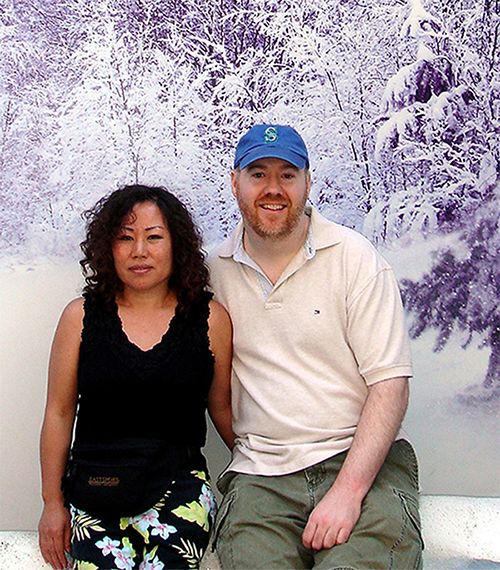
The visual record connected to William and Hui Cha Stanek includes photographs, paintings, watercolors, mixed-media works, book-connected art, and studio presentation. Some works belong to named collections. Others belong to the publishing record, the travel and fieldwork record, or the fiction and children’s book record.
A licensing request should preserve that context. The question is not only whether an image can be used. It is how the work will be identified, credited, presented, and protected.
Use in articles, profiles, interviews, reviews, reference pages, educational materials, or publishing coverage.
Use in print or digital books, cover designs, interiors, chapter openings, author materials, or related publishing projects.
Use in galleries, museums, public programs, wall texts, catalogs, event materials, or cultural presentations.
Use in classrooms, lectures, library programs, study guides, teaching materials, or student-facing resources.
Use on websites, newsletters, digital archives, streaming programs, or online publications.
Use in advertising, merchandise, products, campaigns, packaging, paid media, or promotional materials.
A careful request helps everyone respond clearly. When asking about licensing, include the work or image you want to use, the artist name if known, the intended use, the format, the expected audience, the term of use, the territory, and whether the image will be altered, cropped, printed, displayed, or distributed digitally.
If the request involves a book, article, exhibition, classroom project, film, product, or public presentation, include the title of the project and the organization or publisher connected to it. If the request is time-sensitive, include the date by which permission is needed.
Studio source materials note that online watermarks may be used to protect intellectual property. A watermark protects the image in public-facing previews. It does not mean the finished artwork or authorized file carries that online mark.
Images found online should not be treated as free to reuse. Even when an image is visible, the rights to reproduce, publish, alter, distribute, or sell it require permission unless a written license says otherwise.
Credit should be clear, accurate, and attached to the work wherever practical. The name should match the context of the work: William Stanek or William R. Stanek for the nonfiction, photography, art, travel, wellness, and public-biography side; Robert Stanek, R. Stanek, or W. R. Stanek for fiction and book-connected art where that identity applies; Hui Cha Stanek or HC Stanek where her art or studio role is the subject.
The integrity of the work matters too. Cropping, recoloring, heavy alteration, combining an image with unrelated material, or using a work in a misleading context may require separate permission or may not be appropriate.
Unless a written agreement states otherwise, licensing a work for one use does not transfer ownership of the artwork, photograph, illustration, or underlying rights. A license is permission for a defined use. It should be understood by scope, duration, format, territory, and purpose.
This clarity protects both sides. The person using the work knows what they may do. The creator’s record remains intact. The work can continue to live in other settings without confusion.
Documentation, editions, authenticity, source records, presentation, and collector care.
Canvas, giclee printing, pigment-based inks, finishes, scale, surface, and longevity.
The studio context surrounding William and Hui Cha’s art, photography, print work, and artist support.
The broader rights page for books, artwork, images, excerpts, permissions, and public use.
A simple way to begin a permissions inquiry or ask where a request should be directed.
Source-based reference material, preferred names, and context for careful use of the public record.
Licensing is not only a legal step. It is a way of keeping the work connected to its maker, its title, its context, and its intended life. Respectful use helps the work travel without being separated from its story.