The creative legacy of William and Hui Cha Stanek — a life in books, art, light, and story.
Publishing and studio work
The care that carries work forward
Behind books, photographs, paintings, editions, and exhibitions is another kind of creative labor: the daily work of organizing, preparing, presenting, protecting, and helping the work reach others.
A practical creative life
Hui Cha Stanek’s place in the TVPress record includes the practical side of creativity: publishing work, studio work, print knowledge, presentation, communication, and continuity. These are not small matters. They are part of how a creative life becomes a body of work rather than a scattered set of projects.
Publishing and studio life require patience with details. They ask for judgment, timing, production care, and the ability to keep many moving parts in relation to one another. Hui Cha’s role belongs in that larger record of stewardship.
Publishing as stewardship
Publishing is often seen only at the moment a finished book reaches the reader. The deeper work begins earlier and continues longer: preparing materials, protecting consistency, keeping records, managing revisions, and helping a project move through the many quiet stages between creation and release.
In this sense, publishing is a form of care. It gives creative work a path into the world and helps it remain understandable after the moment of release has passed.
Studio as continuity
Studio work asks for similar steadiness. Art and photography do not end when the image is made. They continue through selection, printing, finishing, documentation, presentation, and the decisions that help a work be lived with and preserved.
Hui Cha’s studio presence belongs to that part of the record: the careful bridge between the original creative act and the finished work in a reader’s, collector’s, or family’s hands.
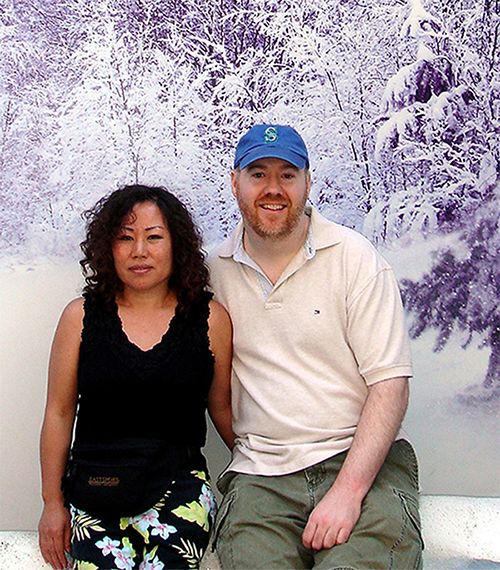
William and Hui Cha Stanek, whose shared creative life runs through decades of books, art, photography, publishing, and fieldwork.
Print knowledge
The studio sources preserve Hui Cha’s plainspoken explanations of art printing. She describes canvas stretched around wood frames, giclée printing, museum-quality pigment-based inks, and the importance of finishes and surfaces in the life of a print.
That kind of knowledge matters because it helps people understand art as both image and object. A photograph or painting may begin as vision, but it enters a home, school, gallery, or collection through materials, preparation, and care.
Artists, galleries, and the long work of support
The studio and gallery history is also part of the larger service story. Over the long span of the work, William and Hui Cha’s gallery and studio efforts supported hundreds of artists over time. The practical side of that effort matters: artists need presentation, sales, records, communication, and a fair chance for their work to be seen and valued.
TVPress should tell this story with care. The point is not spectacle. The point is that publishing and studio work became part of a larger ethic: use what has been built to make room for others.
The unseen work
The unseen work behind a creative life can be difficult to summarize because it is made of ordinary acts repeated over many years. Someone checks the details. Someone knows what changed. Someone remembers what must be done next. Someone helps the work stay intact when the public sees only the finished page or image.
Hui Cha’s publishing and studio pages should honor that kind of labor without inflating it. It is enough to say that the work endured in part because it was cared for.