The creative legacy of William and Hui Cha Stanek — a life in books, art, light, and story.
For Collectors
Living with the work over time
For collectors interested in the photographs, paintings, editions, provenance, print education, licensing, and the story behind the visual work.
A calm entrance to the visual legacy
The art and photography of William and Hui Cha Stanek belong to a larger creative life: fieldwork, travel, books, publishing, family, galleries, print knowledge, and a long attention to light. For collectors, TVPress offers a quiet way to understand that visual record without separating the object from the life that shaped it.
The photographs and paintings are not simply records of places. They are studies of light, weather, silence, movement, and memory. They also belong to a practical world of editions, print surfaces, provenance, licensing, care, and the choices that help a work remain clear over time.
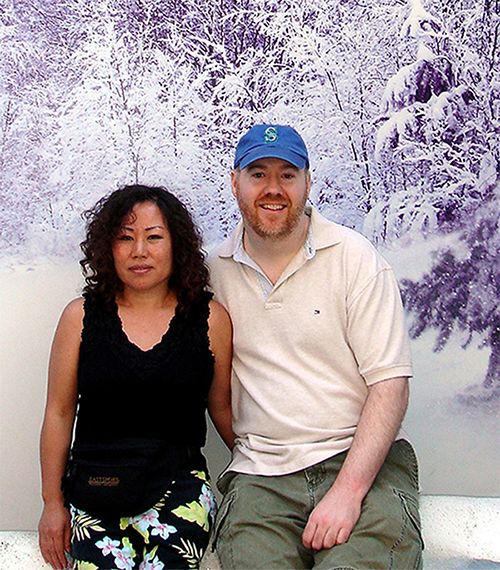
William and Hui Cha Stanek, whose shared creative life runs through decades of books, art, photography, publishing, and fieldwork.
The people behind the visual work
William Stanek’s visual work is closely tied to patient attention: returning to places, studying changing light, watching weather, and allowing the atmosphere of a scene to become part of the finished image. Hui Cha Stanek, also known in art contexts as HC Stanek, belongs within that record through fieldwork, studio work, print knowledge, and the practical labor that helps visual work reach collectors with care.
For TVPress, collecting is not treated only as acquisition. It is also a way of keeping faith with the work: understanding what it is, how it was made, how it is presented, and how it should be described.
What collectors may want to understand
Photography
The photography begins in the field: on roads, coastlines, mountains, deserts, parks, cities, and places where light changes quickly. The collector’s context includes subject, location, atmosphere, print method, edition status where applicable, and the record that connects a work to the artist.
Paintings and mixed media
The paintings and mixed-media works extend the visual language into surface, color, gesture, memory, and emotional atmosphere. They should be approached as part of the same larger practice of light, place, and feeling.
Provenance and editions
Provenance gives a work its documented life: title, artist, medium, edition information where applicable, source, and history of presentation or ownership. Edition discipline helps protect clarity for collectors and preserves the integrity of the work over time.
Print education and care
Print choices matter. Surface, inks, finishes, scale, framing, display, and care all affect how a work lives in a home, office, collection, or institutional setting. TVPress gathers this information in a measured, practical way.
The studio record behind the visual work, including galleries, artists, presentation, and the long effort to bring art to audiences.
The studio and gallery context
The visual work also belongs to a wider history of studios and galleries. Across time, that work supported hundreds of artists, photographers, and creative workers. This matters for collectors because it places the art within a broader ethic: art as livelihood, presentation as care, and collecting as part of a living creative economy.
TVPress presents that context quietly. The purpose is not to make collecting feel transactional. It is to help collectors understand the work, the people, the studio history, and the care that should accompany any lasting object.
A collector’s first question
The best place to begin is not with size, price, or scarcity. It is with attention. What kind of light draws you in? What feeling does the image hold? What story does the work carry? From there, provenance, edition information, print method, and care can help the work live responsibly over time.