The creative legacy of William and Hui Cha Stanek — a life in books, art, light, and story.
William Stanek
Attention to place and the art of living well
The travel and wellness side of William Stanek’s work invites readers to slow down, notice the world, and think about how a life is shaped by place, movement, resilience, family, and reflection.
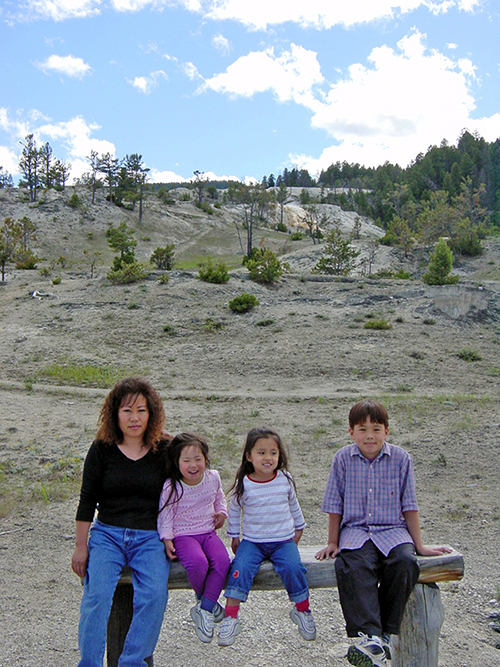
Hui Cha Stanek with the children at Yellowstone, circa 2002.
Travel as a way of seeing
Travel in the William Stanek record is more than movement from one place to another. It is a way of paying attention: to light, weather, terrain, family, memory, history, and the habits that help a person remain open to the world.
This side of the work connects to national parks, road trips, travel itineraries, photography, living-well writing, mindfulness, daily habits, and reflection. It belongs naturally beside the visual work, because both begin with the same act: looking closely.
The field as teacher
William’s travel and visual work often meet in the field. The source record describes every U.S. national park personally visited and photographed, along with extensive global life experience across Europe, Asia, the Pacific Islands, and multiple regions of the United States.
That kind of travel creates a different relationship to place. It is not only about destination. It is about returning, waiting, planning, noticing seasonal change, reading the weather, and understanding that the same place can become new under different light.
Living well
The living-well side of the work should be presented with calm restraint. It is not a slogan or a promise of perfection. It is a body of reflective material concerned with habits, resilience, gratitude, mindfulness, family, creativity, rest, patience, connection, and the ordinary practices that help a person continue.
Placed beside the books, photography, and fieldwork, this material becomes part of the larger TVPress story. A creative life is not sustained by talent alone. It is sustained by rhythm, attention, recovery, discipline, and care.
National parks and road trips
The national parks and road-trip material gives readers a practical way to enter the world through place. It reflects curiosity, preparation, and a desire to help others experience landscapes with more awareness.
These pages should feel useful, but also reflective: guides shaped by someone who understands that travel can become memory, and memory can become part of a creative life.
Photography and attention
Travel and photography meet in attention. William’s visual record is shaped by changing light, natural color, weather, water, sky, mountains, coastlines, and the discipline of seeing a place in more than one moment.
That is why the travel and wellness material belongs near the art and photography pages. Both ask the reader to notice what is present before rushing past it.
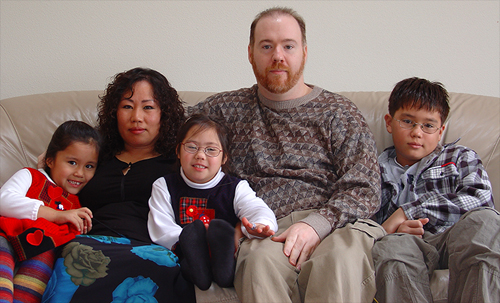
The Stanek family, circa 2004.
Family in the landscape
The travel record is also a family record. The photographs named in the TVPress image archive place Hui Cha and the children in Yellowstone, show the family together, and preserve glimpses of ordinary life around the larger public work.
Those images matter because they keep the site grounded. The work is large, but it was made within a life: travel days, family days, long drives, changing weather, children growing, and the steady effort to keep creating while living fully.
Hui Cha’s presence
Hui Cha Stanek belongs in the travel and wellness story. Source materials and the larger editorial record describe her as creative partner, field companion, print educator, publisher, and steady presence behind decades of shared work.
In the field, that partnership becomes practical: planning, timing, preparation, care, and the ability to adapt when weather, light, children, travel, or circumstance changes the day. This is part of the creative record, even when it is quieter than the finished book or photograph.
Retreat, reflection, and return
Here, wellness means: time in nature, routines that steady a life, quiet attention, recovery after difficulty, and the habit of returning to what matters.
Seen this way, travel becomes more than escape. It becomes a form of return: to the field, to family, to light, to the page, to the work, and to the inner quiet needed to keep making.
A practice of attention
The travel and wellness side of William Stanek’s work belongs to the larger creative legacy because it reveals a practice of attention. The same qualities appear throughout the record: patience, resilience, preparation, gratitude, respect for place, and the willingness to look again until the ordinary becomes visible.