Book Giving
Books placed where they could matter: schools, libraries, children, and communities with too few resources for reading.
The creative legacy of William and Hui Cha Stanek — a life in books, art, light, and story.
Service & Advocacy
Veterans and disability advocacy belong to the wider ethic of William and Hui Cha Stanek’s creative life: dignity, access, and concern for people whose strength is too often overlooked.
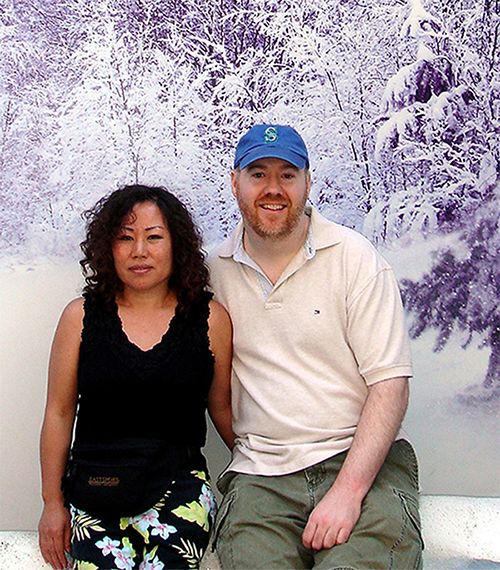
William Stanek’s public story includes military service, books, technology, publishing, photography, and art. The service record matters here because it helps explain the larger shape of the work: a life marked by discipline, endurance, and attention to people carrying burdens the public may never fully see.
The source record describes William as a combat veteran and as a supporter of other veterans and people with disabilities. It also places that concern beside his advocacy for books, libraries, artists, and creative independence.
TVPress tells this part of the story quietly. It does not separate service from creativity. It recognizes that both can come from the same instinct: to help people be seen, supported, and given room to continue.
Military service does not end when the uniform comes off. It becomes part of memory, discipline, work, family, and the way a person understands responsibility. In William’s case, the record of service sits beside decades of writing and publishing, including work that helped readers understand technology, leadership, military experience, and creative endurance.
The advocacy is practical rather than abstract: support fellow veterans, honor service without turning it into spectacle, and make room for people whose lives have been changed by duty, injury, trauma, or loss.
That tone matters. The purpose is not to turn service into a slogan. It is to hold it as part of a life’s work.
The disability thread in the Stanek story is personal as well as public. William is a partially disabled veteran and the father of a daughter with Down syndrome. That context belongs in the record because it deepens the meaning of access, dignity, patience, and care.
Disability advocacy, in this setting, is not treated as a separate category of goodwill. It is part of the same human concern that runs through books for children, support for libraries, attention to underserved communities, and the desire to make creative work more available to people beyond narrow gates of privilege.
At its best, this part of the legacy asks a simple question: who has been left without enough support, and what can be built to help them stand more fully in the world?
The service and advocacy record does not belong only to speeches or formal programs. It also appears in the work itself: books placed in schools and libraries, art efforts designed to support working artists, encouragement for independent authors, and public language that values veterans, people with disabilities, and underserved communities.
For TVPress, the important thing is the pattern. William and Hui Cha used books, publishing, galleries, and creative platforms to widen the circle of who could participate, who could be read, who could be collected, who could be taught, and who could keep going.
Books placed where they could matter: schools, libraries, children, and communities with too few resources for reading.
The educational and library-centered side of the record: reading, learning, access, and the value of books in public life.
Support for independent authors, artists, and creative self-determination through publishing, advocacy, galleries, and mentorship.
A creative legacy can be measured by books, images, exhibitions, editions, and reviews. It can also be measured by the people who were given encouragement, access, dignity, or a little more room to continue.